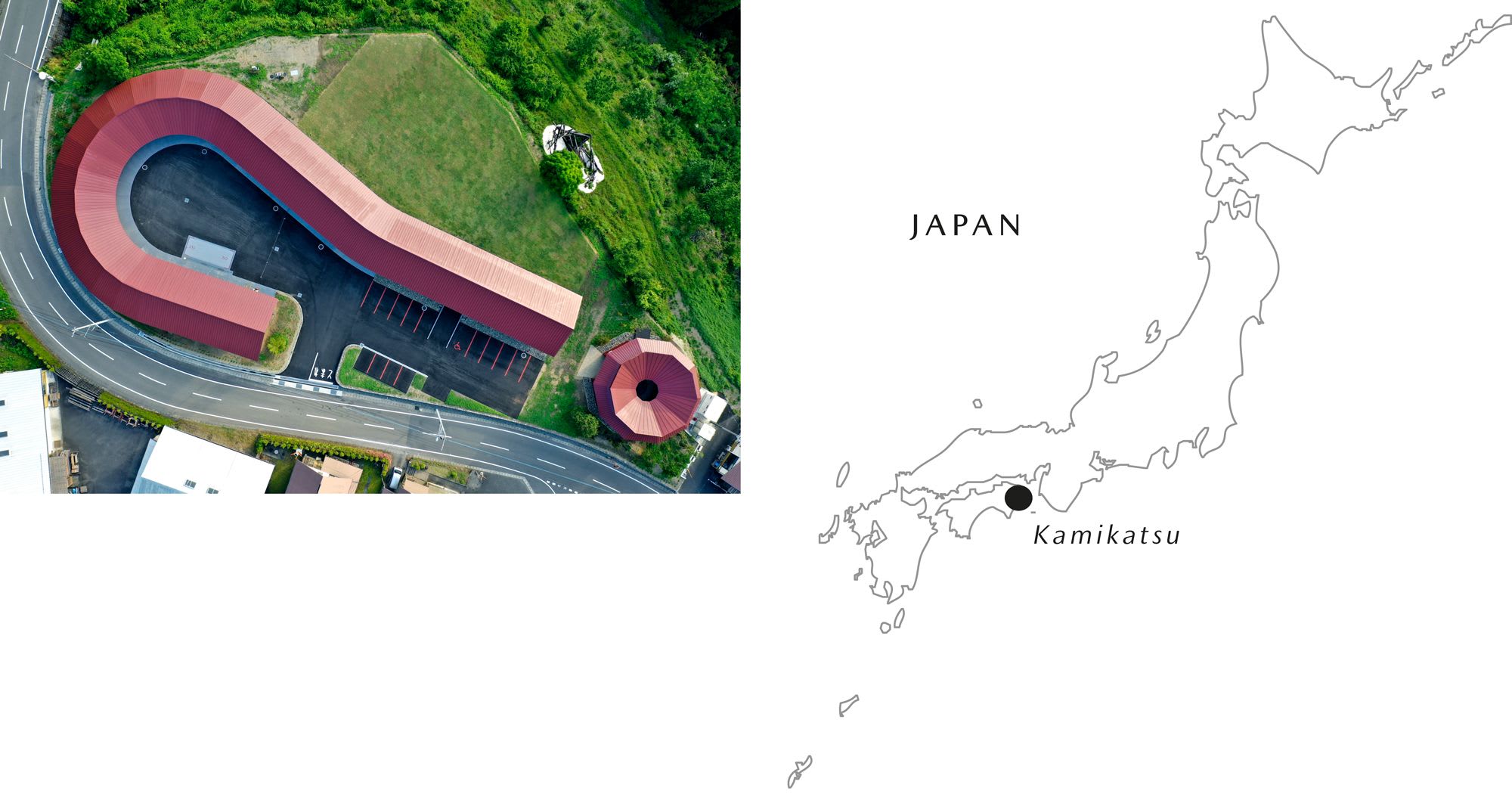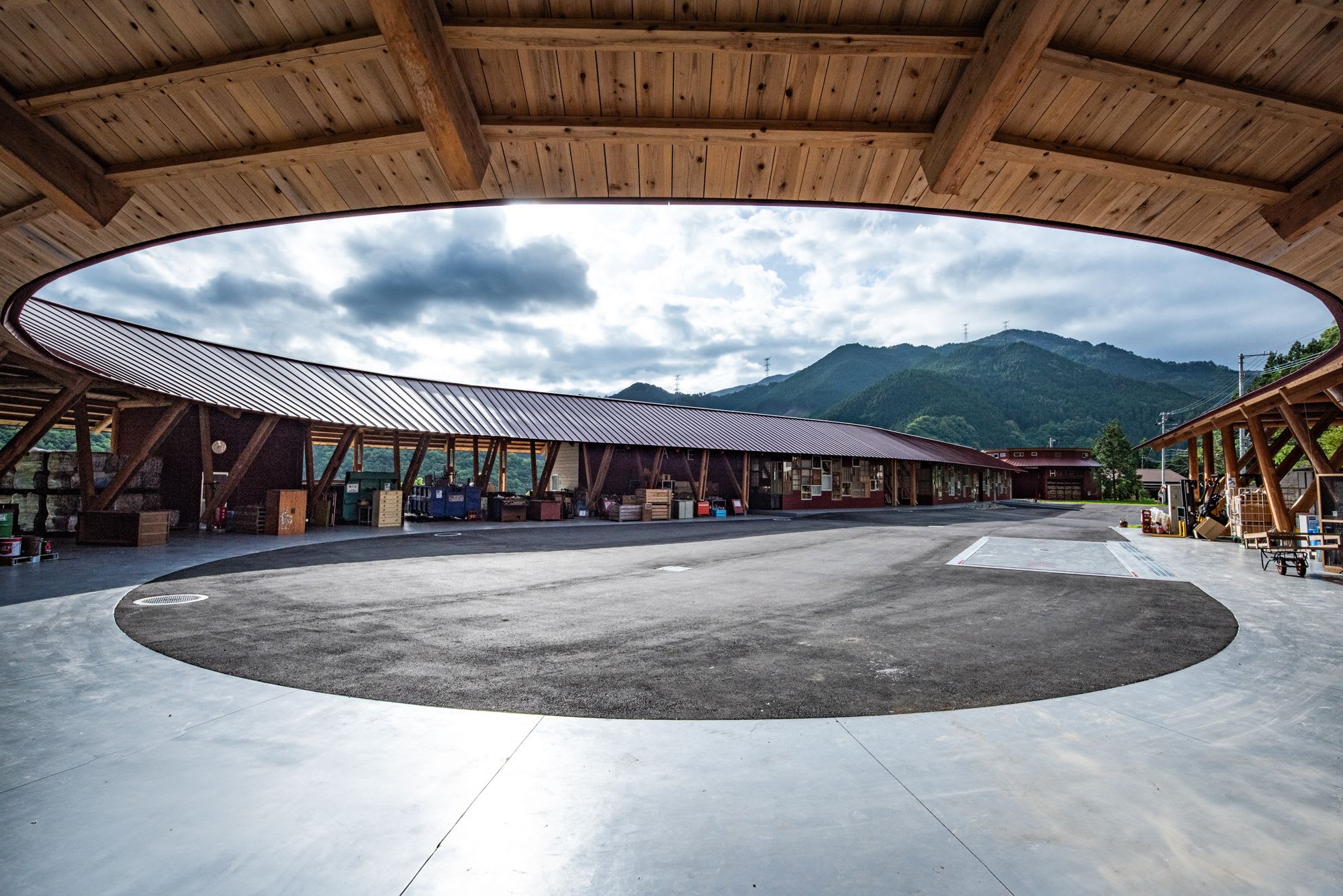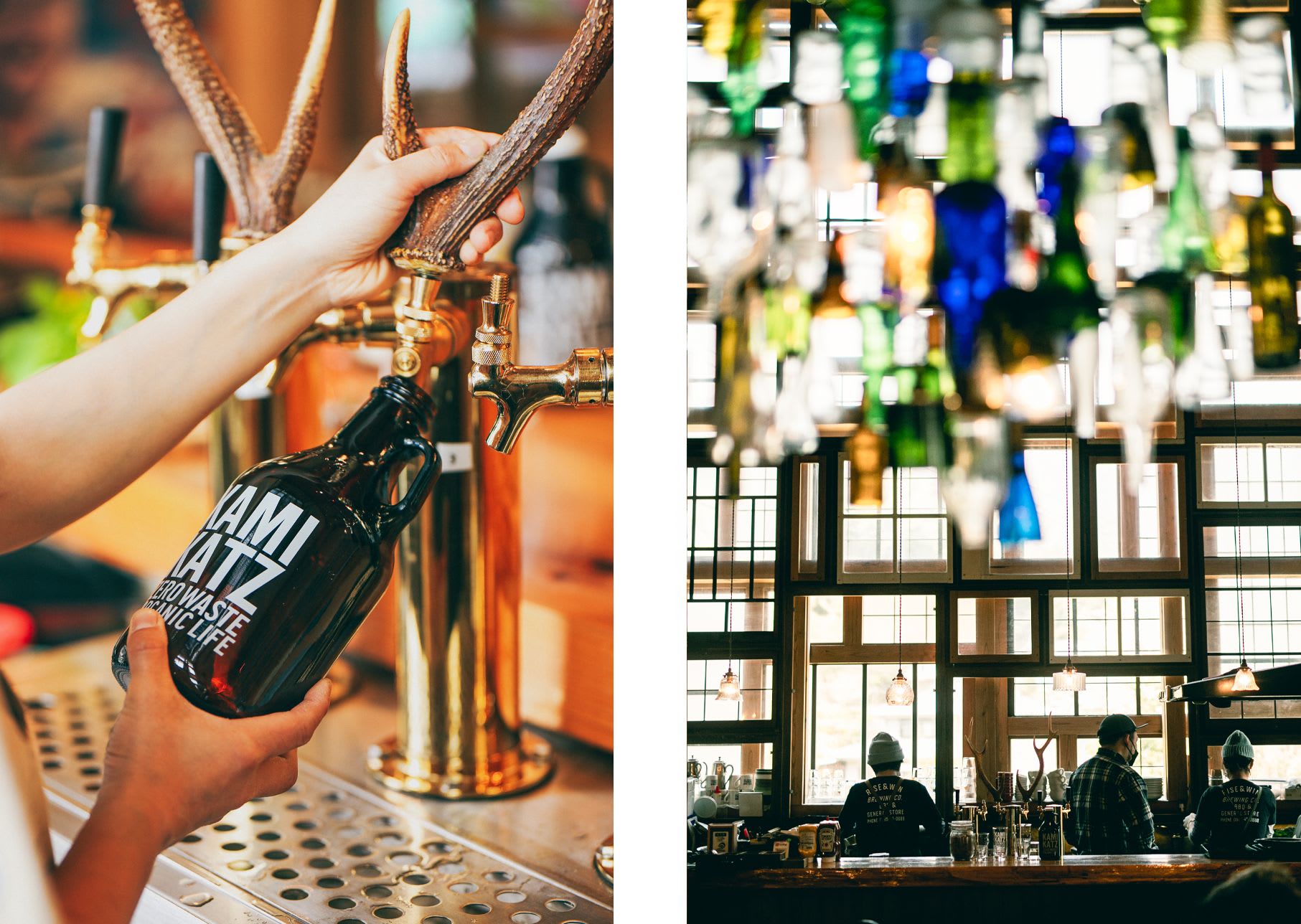
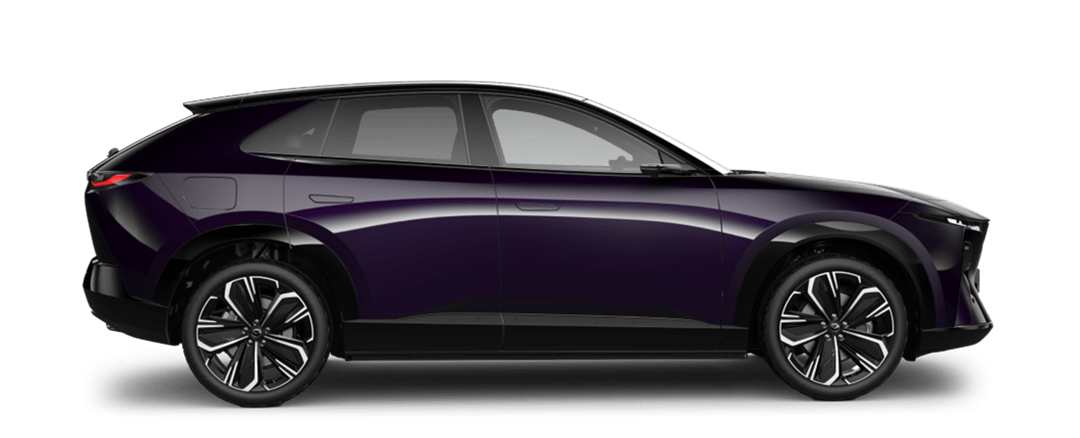









The recycling achievements of Kamikatsu, a small town in Japan transforming the way we look at waste, has become a blueprint for governments, brands, and consumers to work towards a sustainable future.
Words Kenji Hall / Images Keisuke Ono, Transit General Office Inc.
2030 is slated to be a critical year for Mazda. As the automotive world begins to pivot to higher rates of electrification, cleaner fuels, and a reduction in waste resources, Mazda has set ambitious goals towards reducing its environmental impact. This includes up to 40 per cent of its fleet becoming fully electric by 2030, reducing waste resources across the entire production process, and for all its plants globally to be carbon-neutral by 2035.
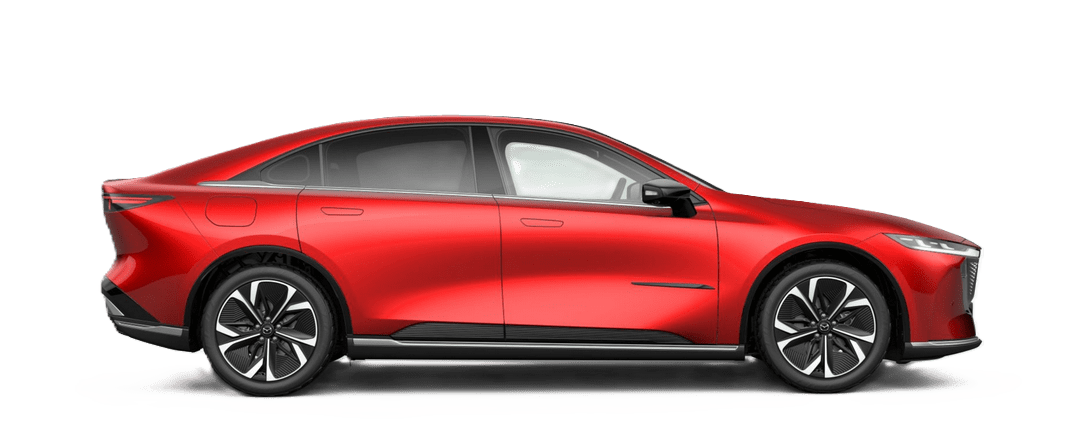
Specifically, these initiatives aim to conserve energy, boost renewable-energy use, and transition to next-generation biofuels. Recycling initiatives, such as turning old bumpers into the raw material for newer models – a world-first – and using crushed oyster shells for the interior of the Mazda Iconic SP concept vehicle, are just a few examples of the steps that Mazda is taking towards achieving total carbon-neutrality by 2050. Further afield, smaller communities are just as fervent about being kinder to the planet.